
Oklahoma Two-Way Radio Systems Built For Coverage, Capacity, And Control
Design, deploy, and manage reliable communication systems that connect teams across buildings, campuses, and wide-area environments
What A Two-Way Radio System Really Does
Two-way radios are only one part of the equation. The system behind them is what determines how far your communication reaches, how many users can talk at once, and how clearly messages are delivered. A properly designed radio system connects infrastructure, software, and devices into a single, dependable communication environment.
Whether your team operates in one facility or across multiple locations, Wireless Technologies, Inc builds systems that support consistent coverage, organized communication, and long-term scalability.
System Types And Architectures
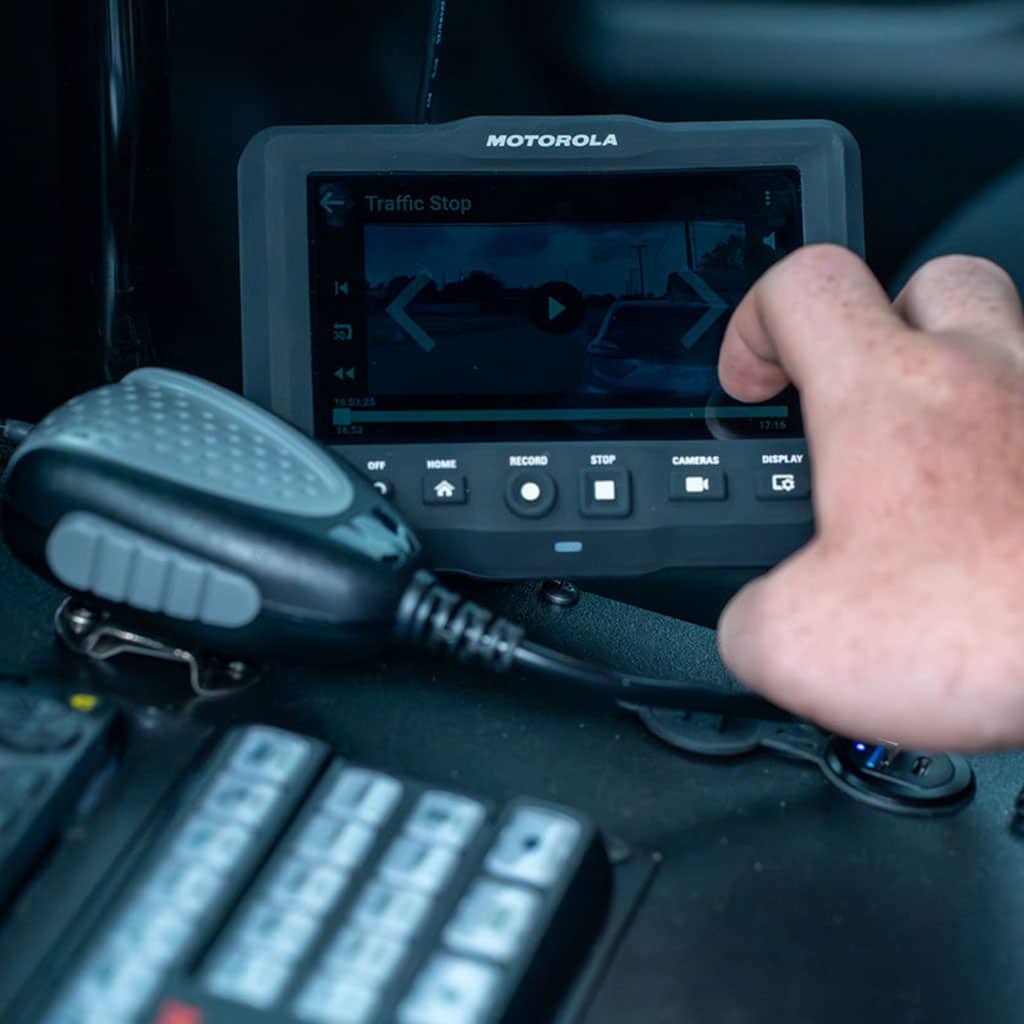
Every organization has different coverage and capacity requirements. Wireless Technologies, Inc designs systems using proven Motorola MOTOTRBO™ architectures that match your environment, user volume, and operational demands. From single-site systems to multi-location networks, each solution is built to perform reliably under real-world conditions.
Conventional Systems
Simple and cost-effective for smaller teams with basic communication needs.
IP Site Connect
Extends coverage across multiple locations by linking repeaters over an IP network.
Capacity Plus
Single-site trunking system that increases channel efficiency for higher user density.
Linked Capacity Plus
Connects multiple Capacity Plus sites for wide-area communication with improved scalability.
Capacity Max
Full trunked system designed for large operations that require high capacity, redundancy, and centralized control.

Built For Coverage, Capacity, And Clarity
- In-building coverage planning
- Efficient channel management for high user volume
- Reduced interference and improved audio clarity
- Scalable infrastructure that grows with your operation
- Redundancy options to maintain uptime
Is Your Radio System Keeping Up With Your Operation?
System Design, Deployment, And Support
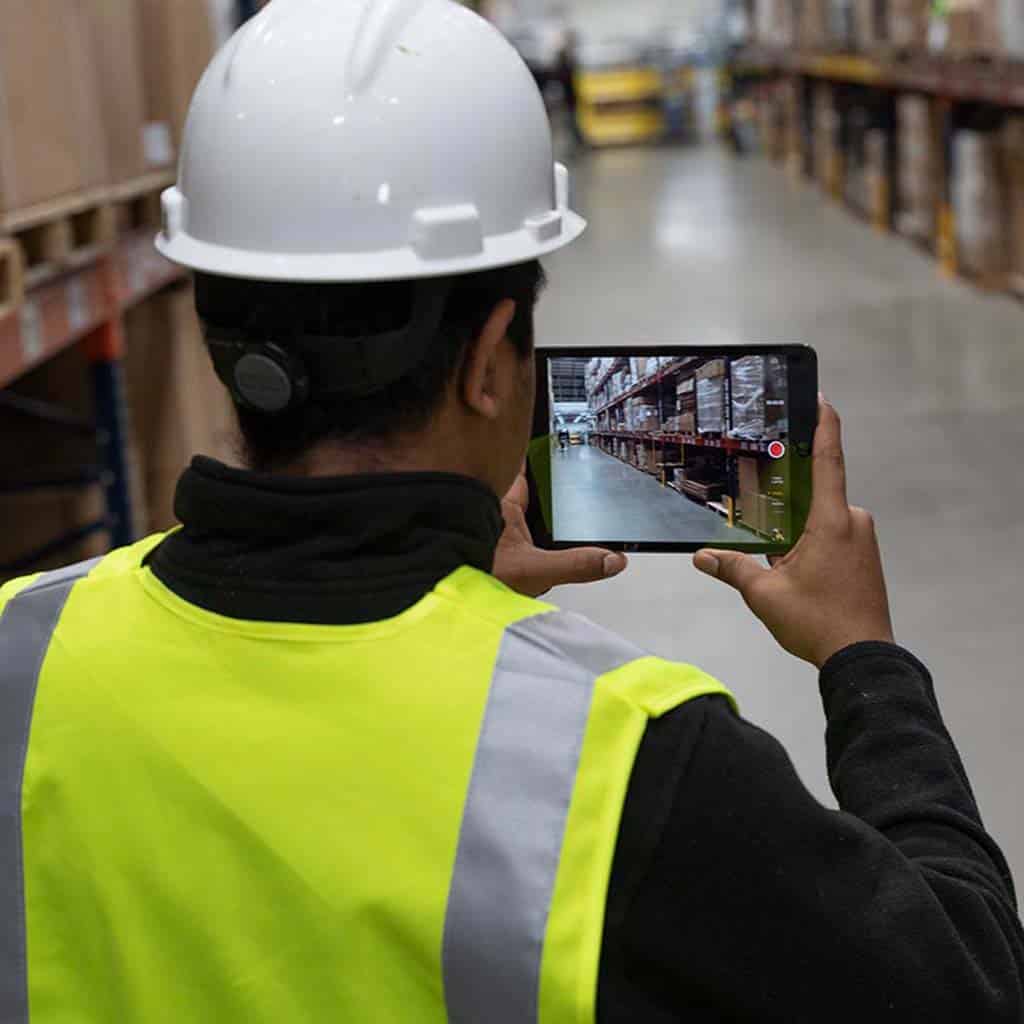
A successful radio system depends on proper planning, installation, and ongoing support. Wireless Technologies, Inc takes a hands-on approach to ensure your system performs as expected from day one and continues to deliver long-term value.
- Site surveys and coverage analysis
- System design and engineering
- Professional installation and optimization
- Programming and system configuration
- Ongoing maintenance and support
From Single Site To Wide Area Networks
As organizations grow, communication systems must scale with them. Wireless Technologies, Inc designs radio systems that expand from single locations to regional or wide-area networks without sacrificing performance or control.
Single Facility Coverage
Reliable communication within buildings, campuses, or properties.
Multi-Site Connectivity
Link multiple locations with IP-based systems like IP Site Connect or Linked Capacity Plus.
Wide Area Systems
Connect teams across cities or regions with centralized management and consistent communication.
System Components That Power Your Network
Behind every reliable radio system is a combination of infrastructure and supporting technology. Wireless Technologies, Inc provides and integrates all critical components to ensure your system operates efficiently and remains easy to manage over time.
Repeaters
Extend communication range and strengthen signal reliability.
Base Stations And Controllers
Manage overall system performance and connectivity.
Antennas And Tower Infrastructure
Optimize signal distribution across your coverage area.
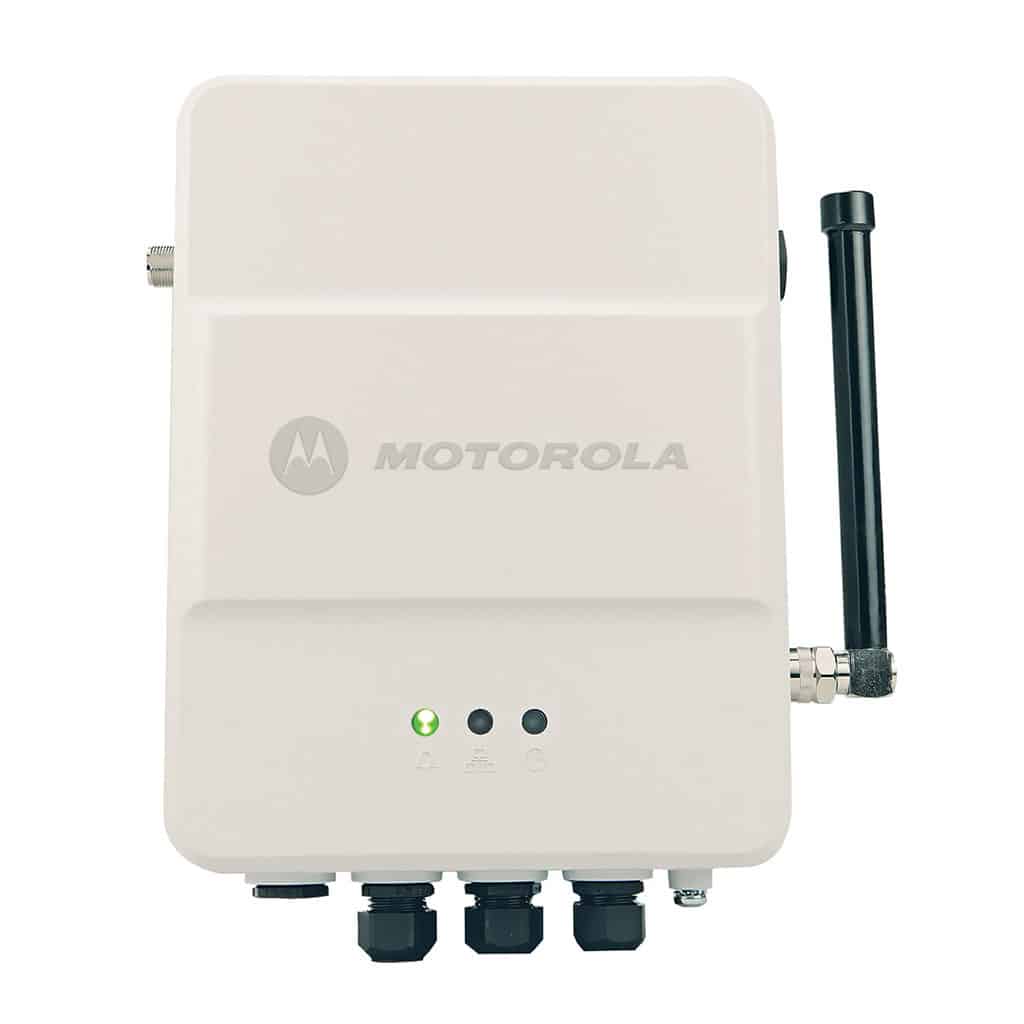
Backhaul And Networking Equipment
Connect sites using secure IP-based communication.
Integration Across Your Entire Operation
Two-way radio systems are most effective when they work seamlessly across your organization. Wireless Technologies, Inc helps organizations create connected communication environments that improve coordination, streamline workflows, and keep teams informed in real time.
- Real-time alerts and notifications
- Cross-platform communication between devices
- Integration with business and operational applications
- Improved communication across teams and locations